This 20-Minute Japanese Method Costs Less Than One Plumber Visit and Could Help Prevent Costly Emergency Callouts
After working on thousands of toilets, master plumber Daniel Carter says he keeps seeing the same hidden problem in ordinary homes. It builds up out of sight, gets worse with every passing month, and often stays unnoticed until a small hidden problem turns into an expensive plumber callout. In 2025, Carter discovered a simple 20-minute method homeowners can use themselves.
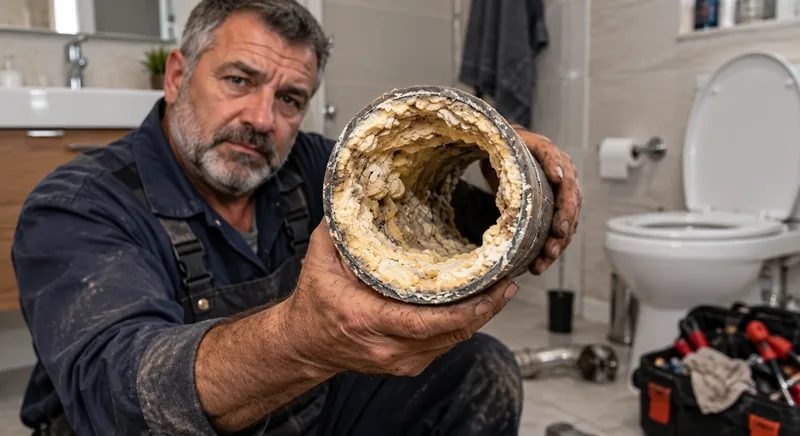
Daniel Carter had seen the same thing hundreds of times: a bathroom that looked perfectly clean, yet something was clearly wrong underneath. The toilet flushed, the bowl was spotless, but the faint odour and occasional gurgling told a different story.
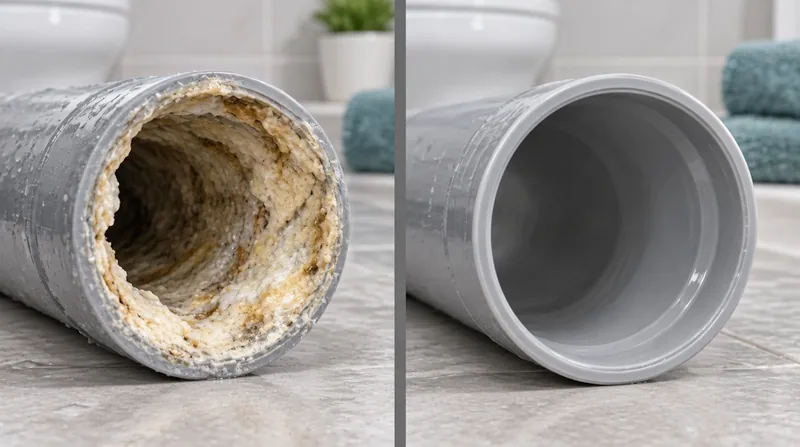
When Carter opened the line, the reason became obvious. The inside of the pipe had slowly narrowed under layers of hardened residue that had been building for years — completely hidden from the family using it every day.
“Most people never think about what is happening beyond the toilet bowl,” Carter explains. “Everything can look clean on the surface while the pipe behind it is getting worse month after month.”
After decades in plumbing and thousands of callouts, Carter says this hidden buildup is one of the most common problems homeowners discover only when drainage slows down or a blockage suddenly becomes serious.
What’s Really Hiding Inside Your Toilet Pipes
Most homeowners clean the part of the toilet they can see — the bowl, the rim, the seat. Once everything looks fresh, it is easy to assume the entire system is clean.
But a few inches beyond the ceramic is a part almost nobody ever sees: the inside of the drain pipe. And that is exactly where residue can slowly collect over months or even years.
Carter explains: “Every flush sends water through the pipe, but that does not mean the walls are being cleaned. Sticky residue can stay behind, grab onto more debris and gradually build layer after layer.”
This buildup is often called biofilm — a mixture of organic residue, grease, soap deposits, bacteria and minerals that can cling to the inner surface instead of simply washing away.
That is why a toilet can look perfectly clean and still have significant buildup hidden inside the pipe. Regular brushing and toilet cleaner take care of what you can see — but they rarely reach the area shown below.
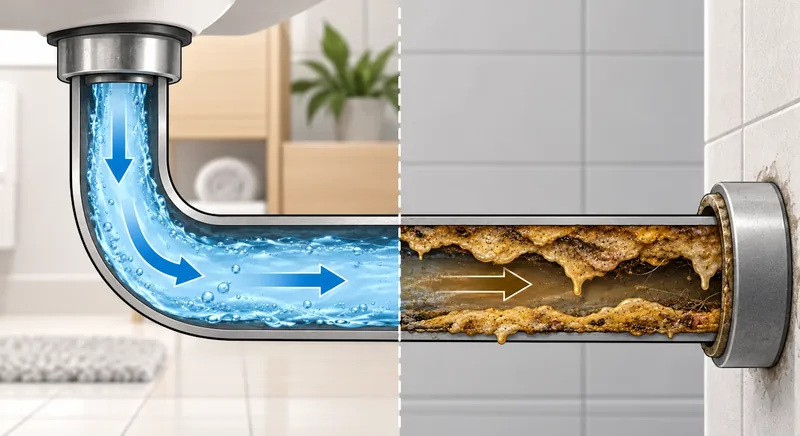
“Homeowners are usually shocked when they see the inside of an old pipe. From the bathroom, everything looks normal. Inside can be a completely different story.”
— Daniel Carter, master plumber
How a “Normal” Toilet Quietly Turns Into an Expensive Plumbing Problem
Most serious toilet blockages do not happen overnight. According to Carter, they usually build up slowly in stages — long before most homeowners notice anything is wrong.
That is what makes the problem so expensive. By the time you hear gurgling, notice a bad smell, or see water draining more slowly, the buildup may already be advanced enough to lead to a much bigger issue.
What happens before a blockage
Your toilet can seem perfectly normal while the pipe is slowly narrowing
Most serious drain problems do not appear overnight. Buildup can develop quietly for months, while everything still seems to flush normally — until the warning signs finally become impossible to ignore.
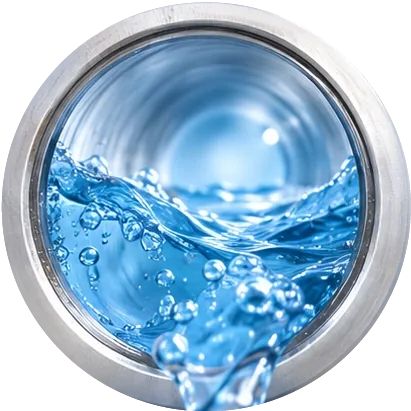
Starting point
Everything flows normally
Water moves freely through the pipe, with no obvious warning signs or drainage problems.
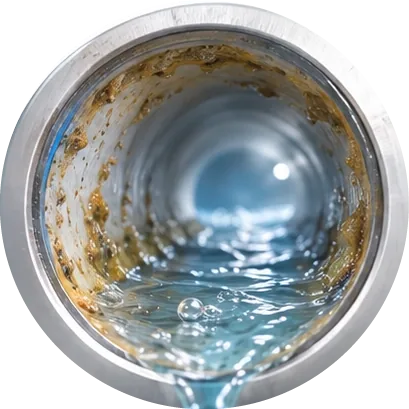
Early buildup
Residue begins to stick
Soap, grease, minerals and organic residue can start clinging to the pipe walls while the toilet still appears completely normal.
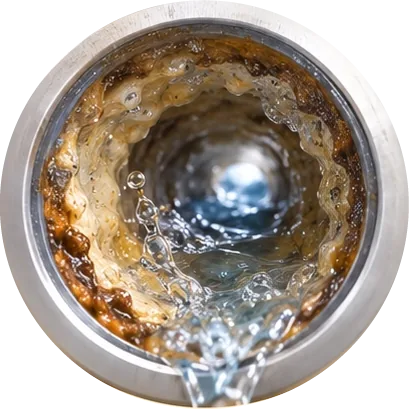
Buildup increases
The pipe starts narrowing
As more material collects, less room remains for water to pass and subtle signs such as slower drainage or gurgling may begin.
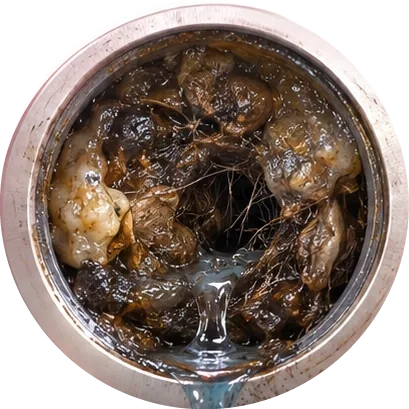
Serious restriction
A blockage gets much closer
Heavy buildup can leave only a narrow path for water — making slow flushing, unpleasant odours and an unexpected plumber callout far more likely.
The expensive part is that most homeowners notice it only after the easy-maintenance window has passed — when slower drainage, odours or gurgling are already telling you the pipe is struggling.
Why Most “Quick Fixes” Never Reach the Part That’s Actually Building Up
Carter says this is where many homeowners get stuck: they keep treating the visible symptoms while the residue deeper inside the pipe is left largely untouched. The toilet may look fresher or start flowing again for a while — but that does not necessarily mean the pipe itself has been properly cleaned.
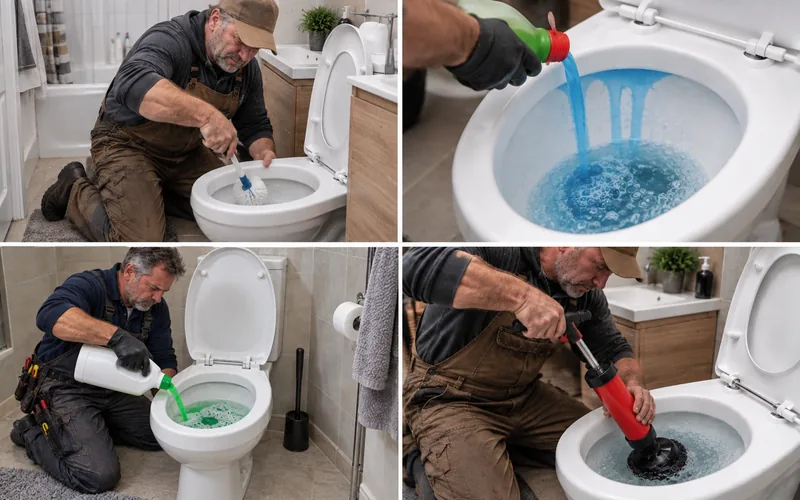
Toilet gels & bleach
Great for making the bowl look and smell cleaner, but they are designed mainly for the ceramic surface. Most of the liquid simply runs away, spending very little time against the hidden pipe walls where buildup can collect.
Strong chemical drain cleaners
These can sometimes break through a stubborn obstruction, but they are often harsh and are not something many homeowners want to keep pouring into their plumbing again and again — especially in older pipes.
Plunger
Useful when you need to get water moving quickly, but a plunger mainly shifts pressure through the drain. It does not clean the layer of residue already clinging around the inside of the pipe.
Drain snake
A snake can reopen a path through a blockage, which is why the toilet may suddenly seem “fixed.” But much of the buildup around that newly opened channel can still remain — giving future debris something to cling to again.
Calling a plumber
Sometimes it is unavoidable. But Carter’s point is simple: waiting until the toilet is badly restricted can turn a small maintenance problem into an expensive visit. That is why he prefers dealing with hidden buildup earlier, before the drain reaches the emergency stage.
And that raises the obvious question: if brushes, liquids and plungers do not properly reach the entire inside surface of the pipe, what does?
The 20-Minute Method That Finally Made Carter Pay Attention
After years of seeing the same drain problems repeat themselves, Carter had become skeptical of almost every “easy fix” on the market. Most products either cleaned the bowl, forced a temporary opening, or disappeared down the drain before they could do much else.
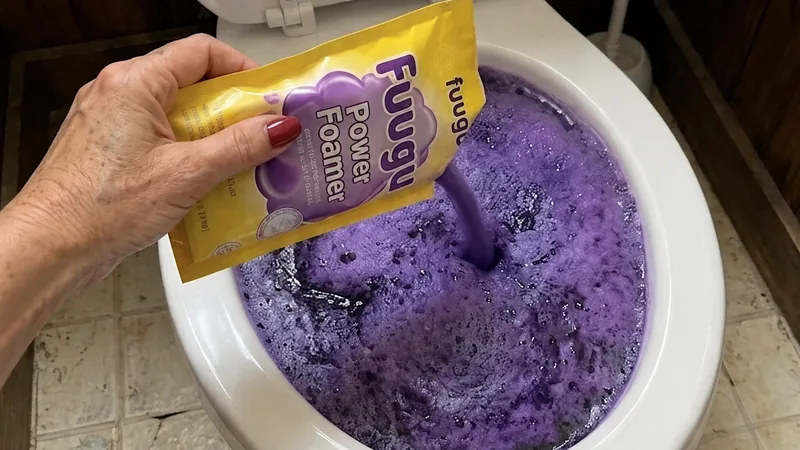
Then, in 2025, a fellow tradesman showed him a different approach being used in Japan: a powder designed to activate inside the toilet and expand into foam through the pipe.
Carter’s first reaction was doubt.
“I had seen too many products promise miracles,” he says. “I wanted to see what it actually did inside the pipe.”
What caught his attention was the way the foam behaved. Instead of rushing straight down like an ordinary liquid, it expanded outward and remained in contact with the inner surface much longer.
After watching the demonstration, Carter decided to test it himself.
The product was Fuugu.
Why Fuugu Reaches Areas Ordinary Liquids Miss
The reason Carter found the concept interesting was simple: liquid naturally follows gravity.
Most traditional cleaners travel along the lowest part of the drain and quickly move on. But buildup does not only sit at the bottom. It can cling around the sides, curves and upper surfaces of the pipe too.
Fuugu is designed to work differently.
The powder is poured into the toilet and activated with warm water. Within seconds, it begins producing a dense foam that expands through the pipe, spreading across a much larger surface area than a fast-moving liquid.
That extra contact is what makes the method so appealing for homeowners dealing with hidden buildup.
Instead of simply pouring another cleaner down the drain and hoping it reaches the right spot, the foam is designed to surround the residue, remain in contact with it, and help loosen material from areas that are otherwise difficult to reach.
And the process itself is simple enough to do before a minor drainage issue turns into another expensive plumbing callout.
Then the foam does the work ordinary cleaners can’t. Once activated, Fuugu’s micro-foam is designed to spread throughout the drain and stay in contact with the hidden surfaces where residue tends to collect.
Surround the buildup
The expanding foam moves beyond the bottom of the pipe, coating the sides and harder-to-reach areas instead of simply running straight through.
Loosen stubborn residue
The formula is designed to work into layers of grease, soap residue and organic buildup, helping separate them from the inner pipe surface.
Flush it away
After letting the foam work, simply flush as normal. The loosened residue is carried away with the water — without scrubbing, dismantling pipes or using a drain snake.
“What impressed me wasn’t just the foam — it was how much surface it could actually reach. Instead of watching another cleaner disappear down the drain in seconds, you could see this one spreading through the area where the buildup was sitting.”
— Daniel Carter, master plumber
The Hidden Hygiene Problem Most People Never Think About
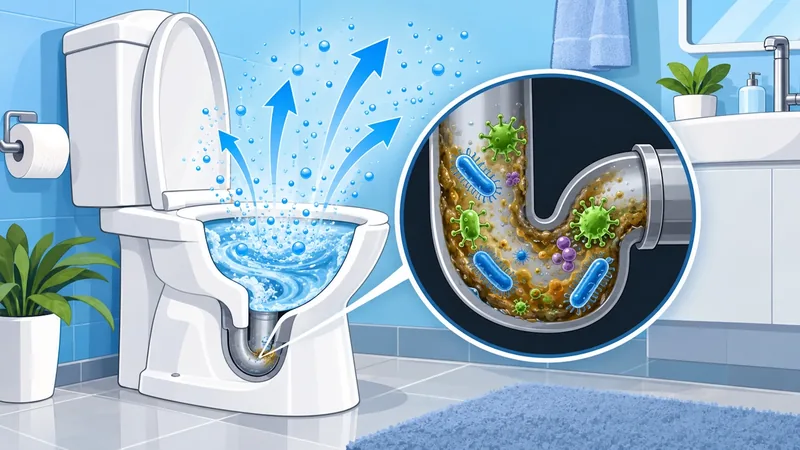
For Carter, keeping pipes cleaner is not only about preventing slow drains and expensive callouts. There is also a simple hygiene reason to deal with the buildup that sits hidden inside the system.
Every toilet flush creates movement, moisture and tiny airborne droplets around the bowl. At the same time, the pipe below is constantly exposed to organic residue and damp conditions — exactly where grime and unwanted buildup can remain unnoticed.
That means a bathroom can look spotless while the part beneath it is still holding months or even years of residue.
And this is what Carter says most homeowners miss: cleaning the bowl only takes care of the surface you can see. It does nothing for the buildup sitting deeper inside the drain.
That is another reason Fuugu appealed to him. Instead of masking odours or simply making the ceramic look cleaner, the expanding foam is designed to reach farther into the pipe and help loosen the hidden residue itself.
The goal is simple: not just a toilet that looks clean — but a drain system that is cleaner where it actually matters.
What People Notice After Using Fuugu for the First Time:
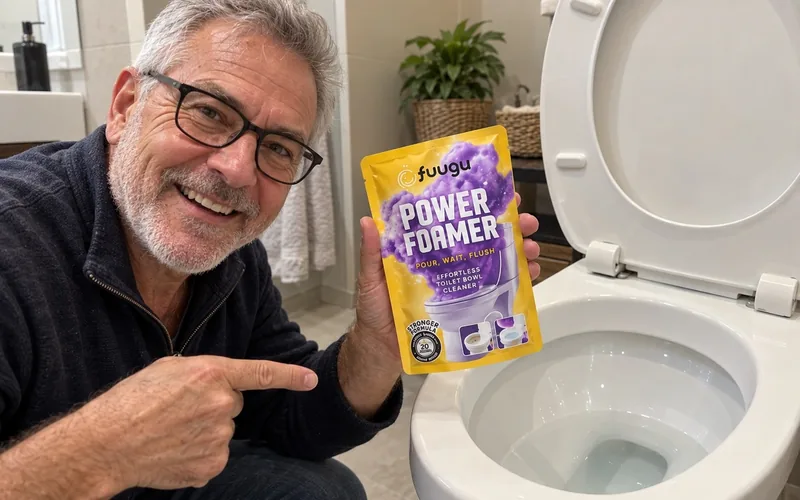
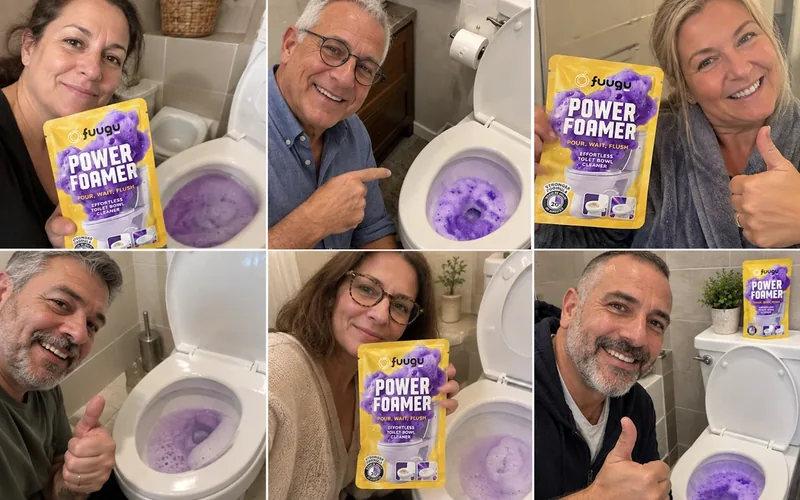
“Our toilet had been draining at a snail’s pace for a good six months. The gurgling at night was driving me mad. I already had a quote from a plumber: a small fortune for a deep clean of the line. Then I tried Fuugu — honestly as a last resort. Powder in, foam up, wait 30 minutes, flush. The water shot through like new. A plumber’s bill saved, for the price of a dinner out. Unbelievable.”
Brian S.
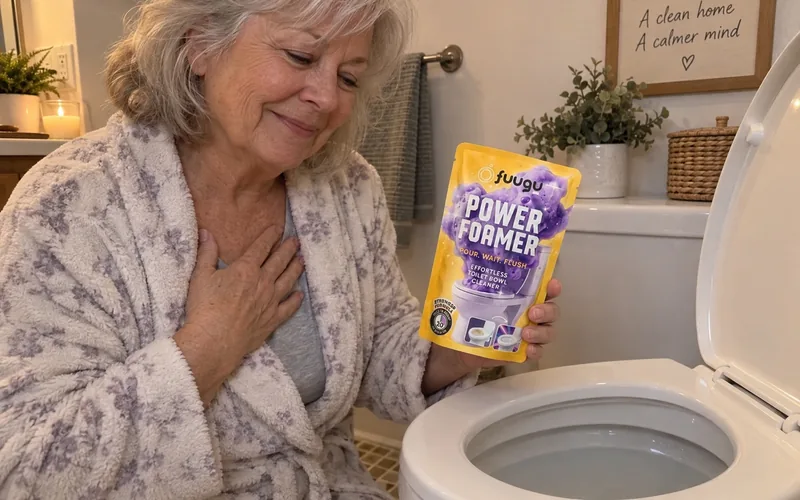
“It was a Saturday, 10 pm, we had guests over and the toilet stopped working. Emergency plumber: a small fortune. For 20 minutes of work. On Monday my son ordered Fuugu and said: Mom, pour one in once a month and you will have peace. Seven months on — not a single problem since. That weekend bill was my most expensive and, at the same time, my last emergency call-out.”
Dorothy D.
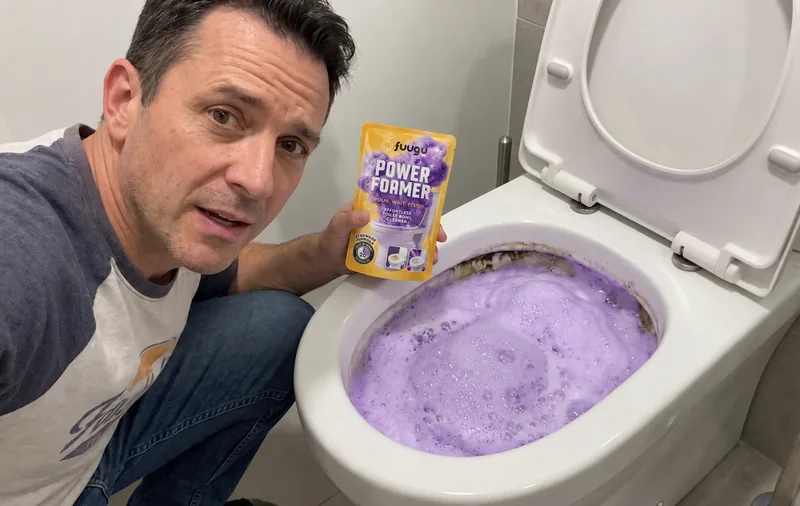
“I have tried everything. Drain cleaner, the plunger, even the drain snake from the hardware store. Nothing helped for long. I was skeptical about Fuugu — another one of those miracle products. But then I watched the foam rise and work. You can literally see the grime disappear. And the best part: the problem does not come back. Four months now, everything clear.”
Frank B.
One Simple Formula for the Drains You Use Every Day
What makes Fuugu especially practical is that it is not limited to the toilet. The same type of hidden residue can collect anywhere water, soap, grease or organic debris regularly passes through a drain.
- Toilet: Helps deal with the hidden buildup associated with slow flushing, unpleasant odours and recurring drainage issues.
- Bathroom sink: Useful where toothpaste, soap residue and hair gradually collect below the surface.
- Shower or bathtub: Helps loosen the mixture of shampoo, soap, hair and mineral deposits that can make water drain more slowly over time.
- Kitchen sink: Designed for the grease, oily residue and food particles that ordinary rinsing may leave behind.
- Washing machine drain: Can also be used where detergent residue, lint and everyday grime accumulate out of sight.
Instead of buying a different cleaner every time another drain starts smelling, gurgling or running slowly, one Fuugu supply can be kept on hand for the problem areas throughout the home.
And that is where the value starts to make more sense. A single household may have several drains quietly collecting buildup at the same time — not just the one that happens to be showing symptoms today.
Carter’s advice is simple: don’t wait for each drain to become an emergency before doing something about it.
Where to Buy the Original Fuugu — and How to Avoid Fakes
Because Fuugu has become more widely advertised online, similar-looking foaming cleaners have started appearing on marketplaces and discount sites.
That is why Carter recommends buying only through the official Fuugu website, where the manufacturer says customers receive the original formula along with the applicable buyer protection and money-back guarantee.
“I wouldn’t choose one just because the packaging looks similar,” Carter says. “What matters is the formula inside — that’s the part actually doing the work.”
Buying direct also removes the extra retail markup that usually comes with distributors and physical stores. According to the manufacturer, this is what allows it to offer larger multi-pack discounts directly to customers.
So if you decide to try Fuugu, the safest option is simple: check the official site rather than gambling on a cheaper imitation from an unknown seller.
RIGHT NOW: Save Up to 70% on Selected Fuugu Packages
The manufacturer is currently advertising discounts of up to 70% on selected packages through its official website.
For homeowners planning to use Fuugu on more than one drain — or keep some on hand for regular maintenance — the larger bundles can make the cost per application significantly lower. Stock and promotional pricing can change, so there is no need to guess whether the offer is still active.
If the discounted price still appears on the next page, the promotion is still available in your region.