The 20-Minute Japanese Toilet Trick a Veteran Plumber Says Costs Less Than One Service Call — and Could Spare You the Bill Every Homeowner Dreads
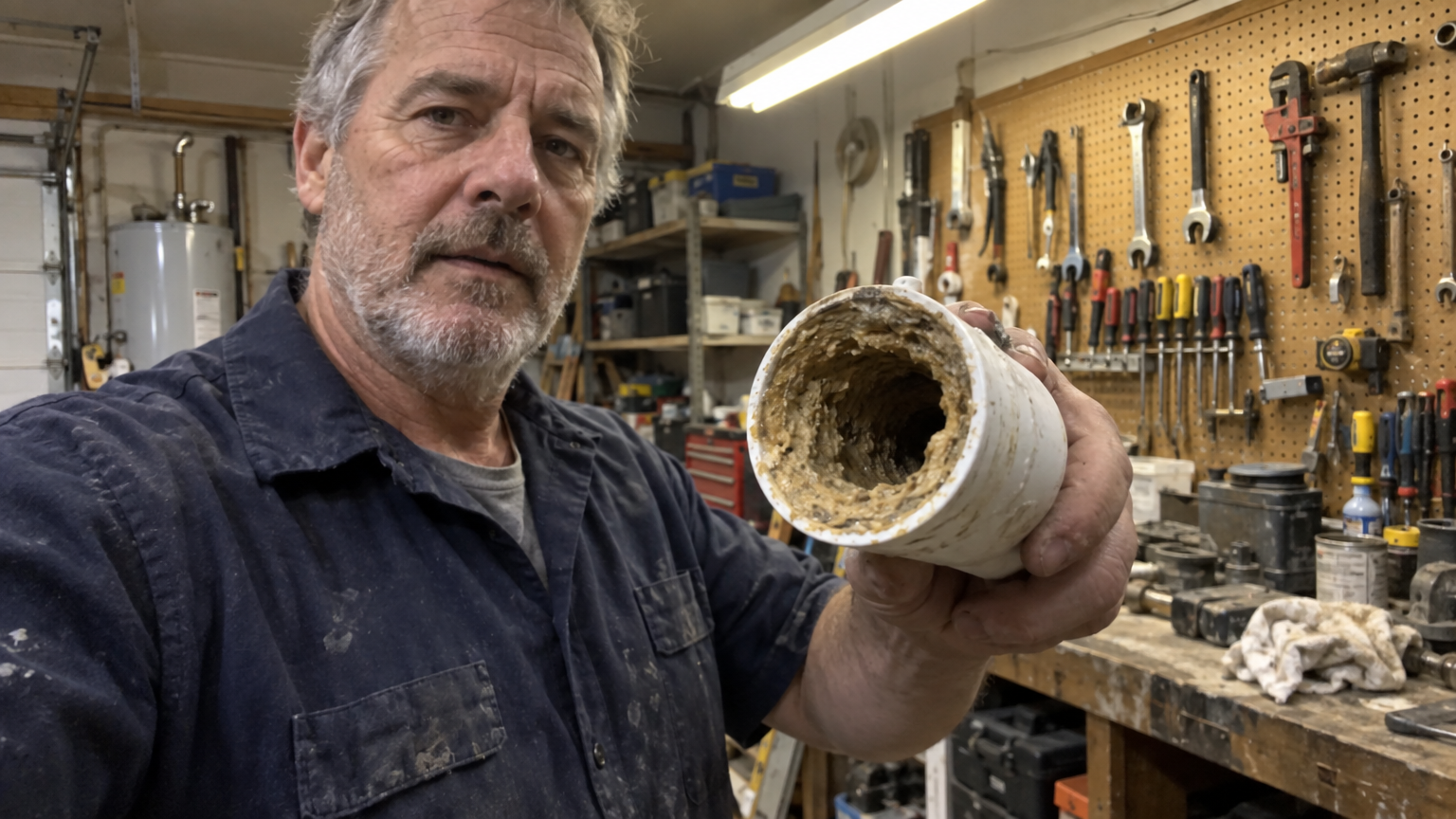
Ray Kowalski has cut open more than 12,000 toilet lines in 31 years. He says the same thing is hiding inside nearly all of them — and it’s the reason so many families end up paying an emergency plumber they never budgeted for. He also says most of them could skip that call entirely with a 20-minute method borrowed from Japanese plumbers — no tools, no scrubbing.
The bathroom looked immaculate. White tile, fresh towels, a toilet that had clearly been scrubbed that morning. But Ray Kowalski noticed the odour before he noticed anything else — a faint, sour, drain-like note that didn’t belong in a room this clean.
Twenty minutes later he had the answer on his workbench: a stubby length of drain pipe he’d cut out from behind the toilet. Inside, the walls were caked with a rough, tan crust nearly as thick as a pencil. Hard as concrete. Built up in rings, like the rust inside an old water heater.
“Nothing unusual about this house,” Kowalski says, turning the pipe toward the light. “Two adults, two kids, a normal suburban home. I could pull a piece like this out of almost any toilet line in the country. Homeowners just never get to see it.”
Kowalski is a licensed master plumber and the third generation to run his family’s shop. Thirty-one years in the trade. Somewhere north of 12,000 toilets pulled, cleared or rebuilt. His verdict after all of it: “A clean-looking toilet and a clean toilet line are two completely unrelated things.”
What’s Really Going On Behind the Porcelain
Most of us clean the toilet on a schedule. A squirt of gel, a few passes with the brush, maybe a hanging freshener under the rim. The bowl sparkles, and the job feels finished.
The part nobody thinks about is the stretch of pipe you can’t see — the trapway behind the bowl and the line running down to the sewer. No brush has ever touched it. No cleaner has ever stayed on it long enough to matter.
Kowalski has a favorite comparison: “It’s like plaque on your teeth. Rinsing a hundred times a day doesn’t remove it. The pipe is the same — except you’ll never see the buildup in a mirror, so you don’t know it’s there until something goes wrong.”
The technical term is biofilm — a slick, living coating of bacteria, mineral scale, grease and organic waste that bonds to the pipe wall and thickens with every week of use. Researchers sometimes describe it as having an “armored” outer layer, because ordinary cleaners simply slide across it without breaking it down.
Which brings us to the uncomfortable part: every minute you spend scrubbing the bowl does nothing whatsoever for the pipe behind it. The porcelain gets whiter. The pipe keeps narrowing.
“Homeowners show me a spotless bowl and expect me to be impressed. Then I pull the line and it’s half closed. The bowl is the part you see. The pipe is the part that costs you.”
— Ray Kowalski, master plumber
A Clog Doesn’t Happen Overnight — It Takes 4 Stages, and You Only Notice the Last Two
After three decades, Kowalski says blockages are boringly predictable. They never start the day the toilet backs up. By the time you hear the drain gurgle or catch that smell, the pipe has been quietly closing for a year or more — and the expensive weekend is already on the calendar.
-
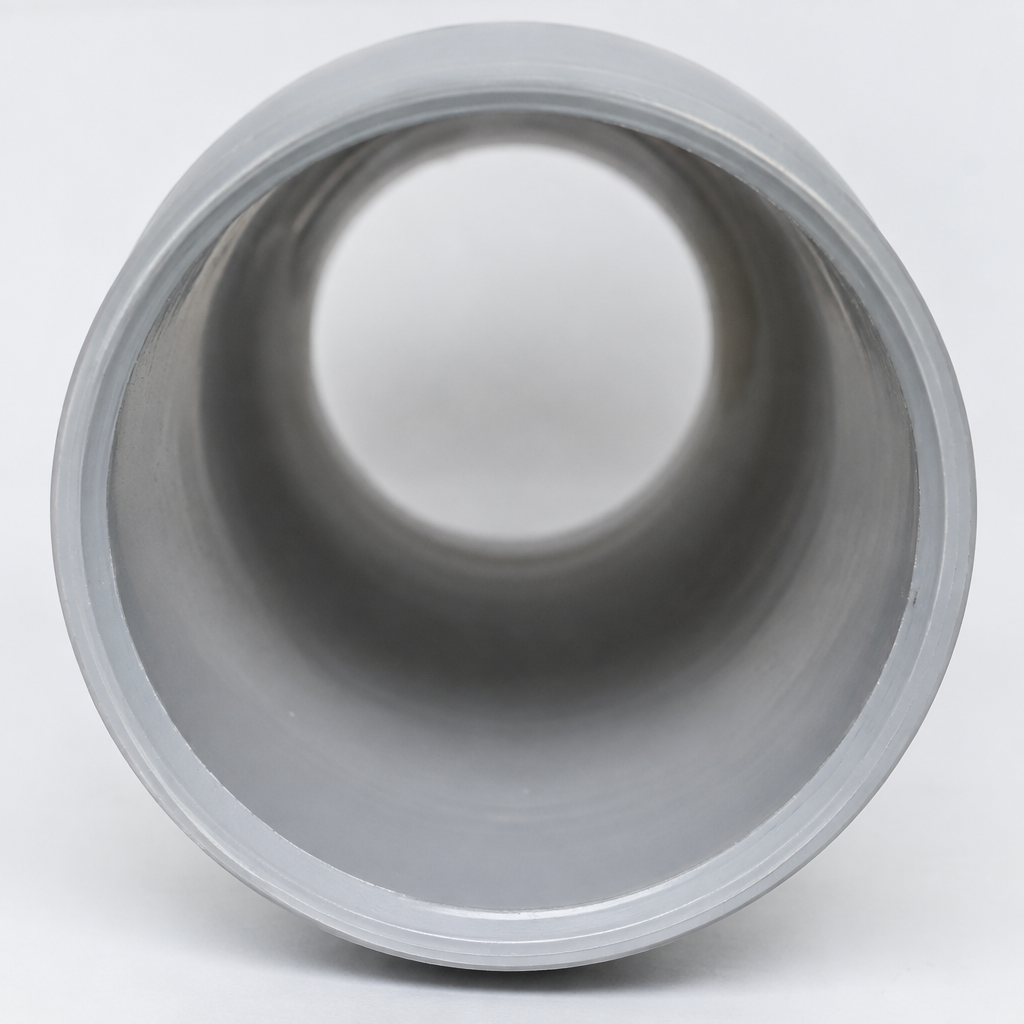
Stage 1
Wide open.
New pipe, smooth walls, water moves the way it should.
-
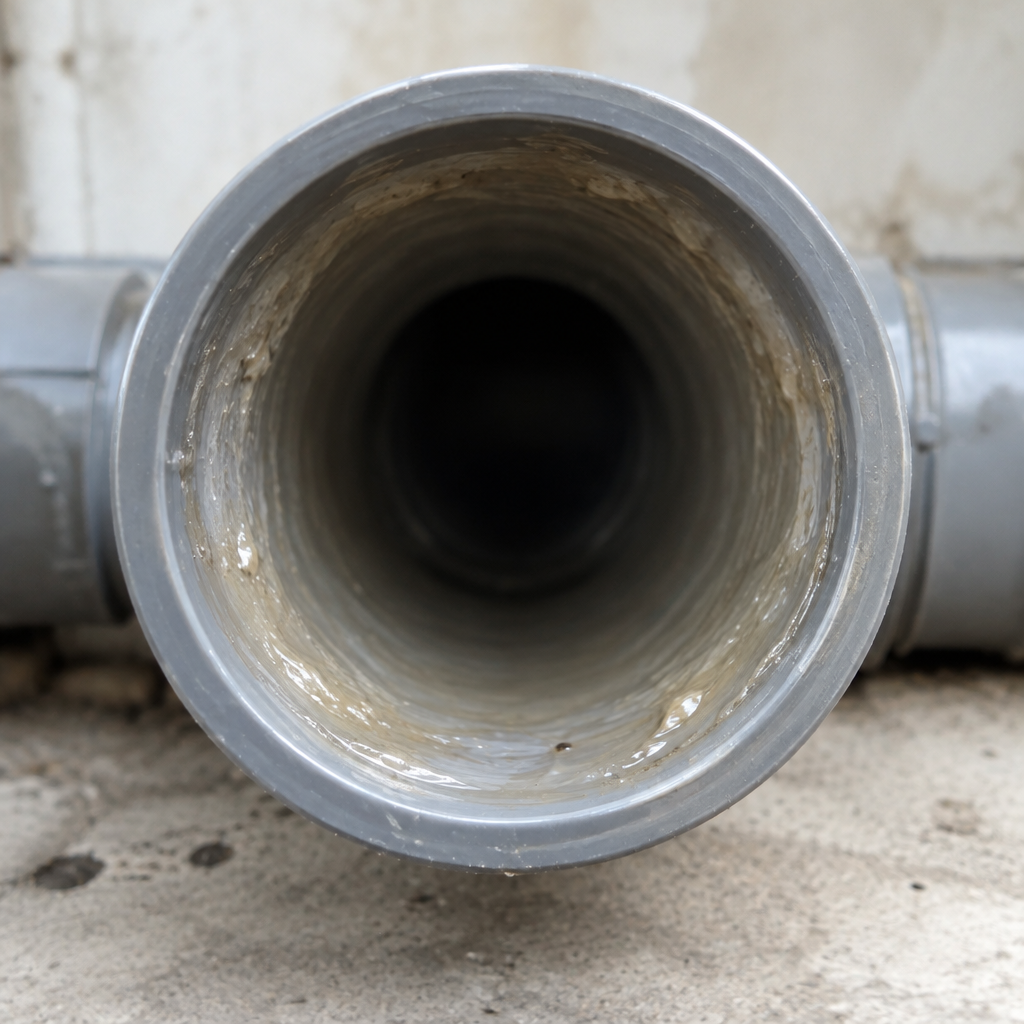
First year
The film sets in.
A thin coating bonds to the wall. Zero symptoms. Nobody suspects a thing.
-
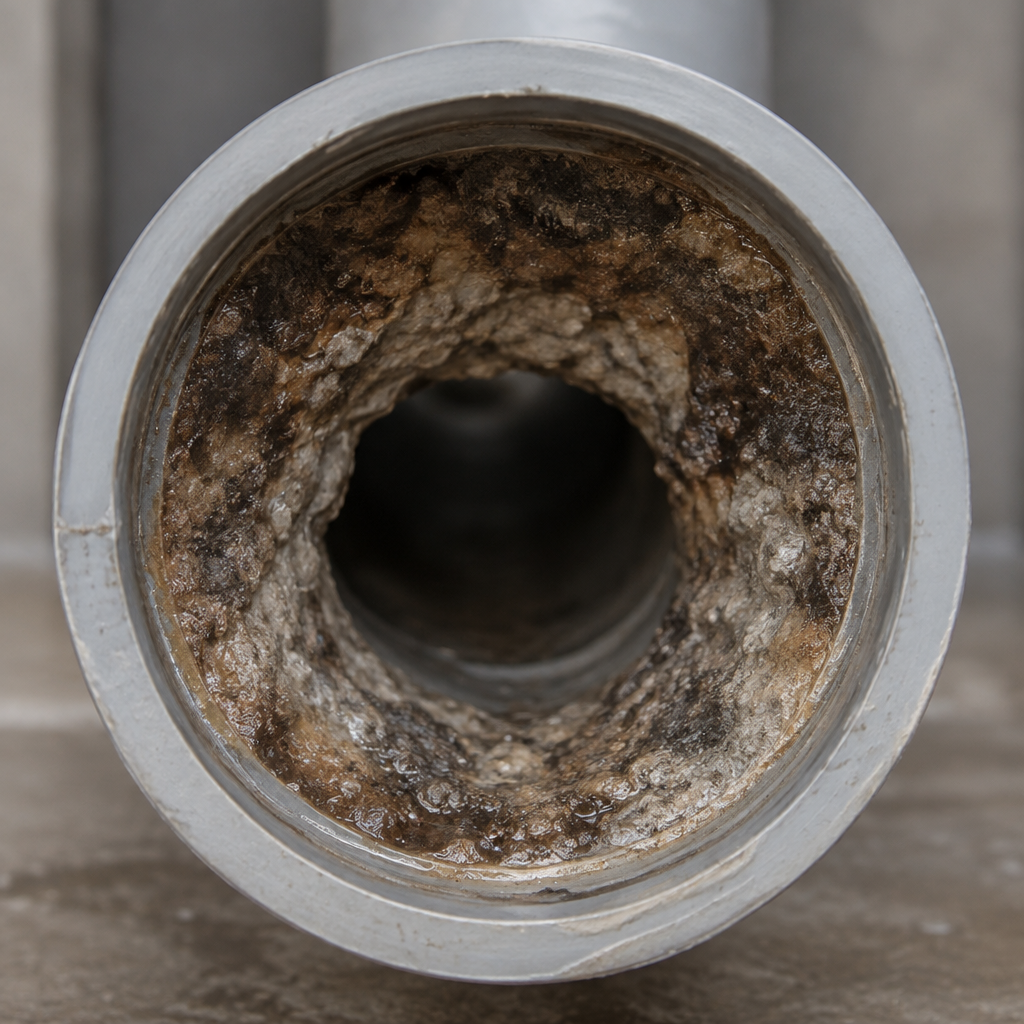
Year two
The slow flush.
Gurgling, odours, a flush that hesitates. Drain cleaner buys a week or two.
-
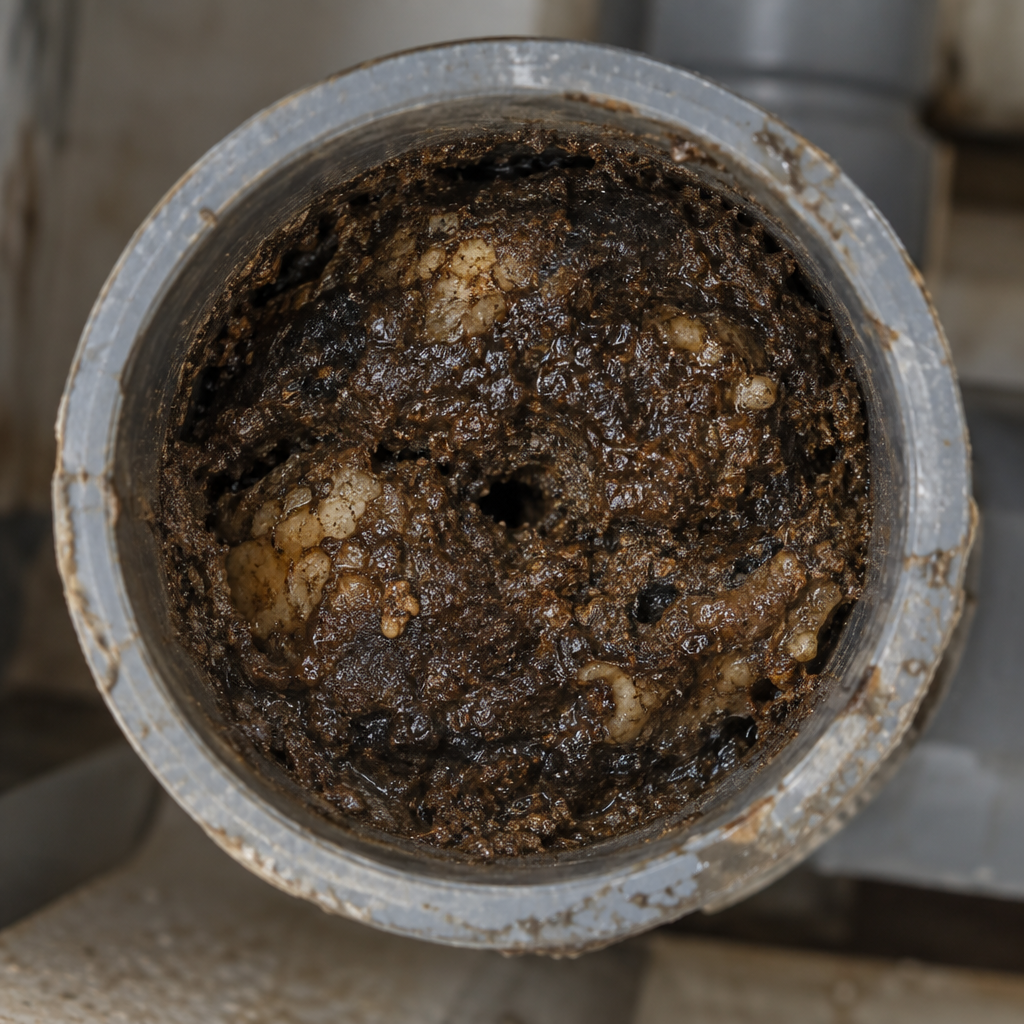
The backup
Shut.
Water rises instead of draining. Emergency call-out: hundreds, sometimes more
Why the Stuff Under Your Sink Isn’t Fixing It — and Sometimes Makes It Worse
Kowalski has watched homeowners throw everything at a slow toilet. His blunt assessment: all of it treats the symptom, and none of it reaches the cause.
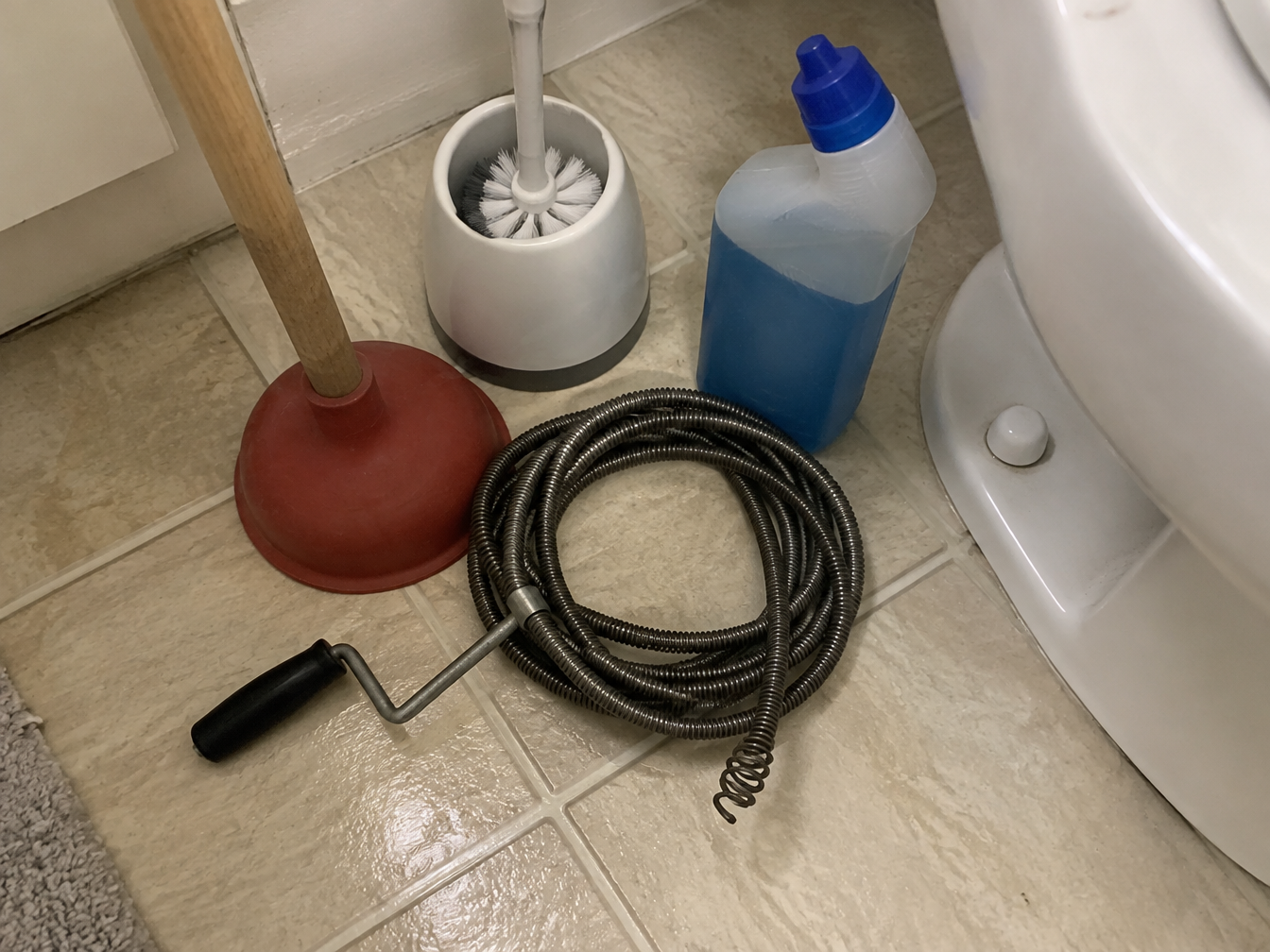
Gels, bleach cleaners and rim blocks: Great for the porcelain, useless past it. Liquid runs down the lowest point of the pipe and is gone in seconds. The buildup on the walls never even gets wet with it.
Caustic drain openers: Harsh enough to eat the top layer of biofilm — and, over time, the pipe. “I’ve replaced lines that drain cleaner turned to crumbs,” Kowalski says. “Clog solved, pipe destroyed. Not a great trade.”
The plunger: Shoves the blockage a foot further down the line. The coating that caused it stays exactly where it was, and the clog reforms on schedule.
The hand auger: Bores a tunnel through the mass. Water flows — through a tunnel lined with the same filth. Give it eight weeks.
The emergency plumber: The most expensive option, and usually the same auger or a pressure jet. It opens the pipe for a while. It doesn’t strip the walls. Then the film regrows and you pay for the visit all over again.
The Japanese Trade Secret Ray Kowalski Almost Ignored
In early 2025, Kowalski was at a regional trade show when an old friend from the business started talking about a trip to Japan. At a supplier event outside Nagoya, he’d been shown a cleaning powder that Japanese tradespeople had quietly relied on for years — poured straight into the bowl, where it foamed up and dissolved the buildup inside the line from the inside out. Over there, he was told, it’s simply how you look after a toilet. Nobody waits for the clog.
Kowalski’s first reaction was a shrug. Thirty-one years is long enough to see a lot of miracle products come and go.
Then his friend pulled out his phone. The clip showed a pipe section crusted nearly shut. Powder went in, water went on top, and a dense foam rose and filled the pipe. Twenty minutes later it was rinsed — and the inside looked like it had just come off the shelf.
“I made him replay it,” Kowalski says. “Twice. Then I ordered a box from the parking lot.”
The powder is called Fuugu — and in 2025 it finally became available to American homeowners.
How Fuugu Reaches the Part of the Pipe Nothing Else Can
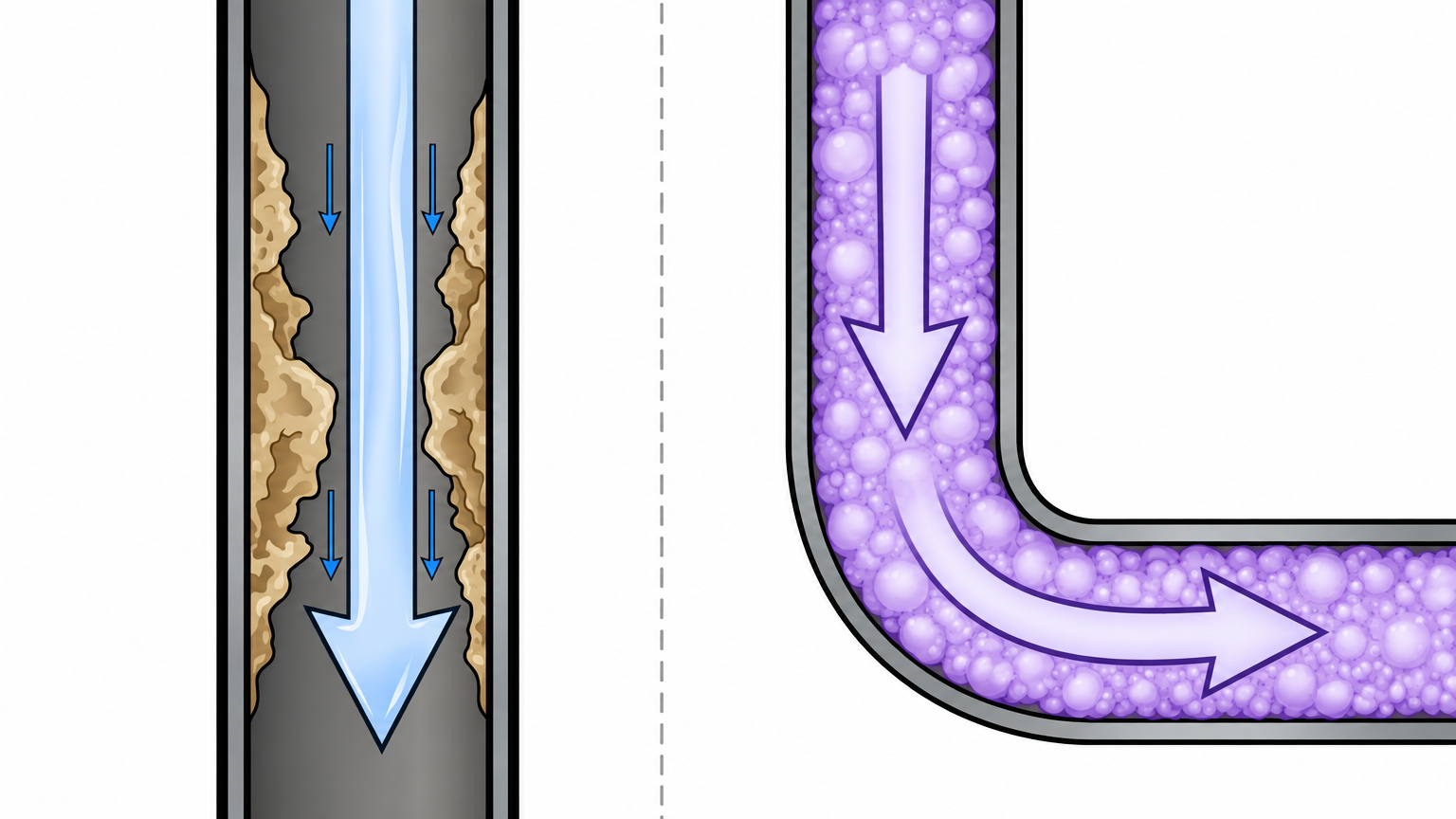
Here’s the flaw in every liquid cleaner ever made: gravity. Liquid runs downhill, hugs the bottom of the pipe, and leaves the sides and top untouched. The biofilm, meanwhile, coats the entire circumference.
Fuugu solves it with foam instead of liquid.
When the powder hits the water in the bowl, it reacts and expands into a thick, stable purple foam. Instead of draining away, it swells outward in every direction — up the bowl, under the rim, and down into the trapway — pressing against the walls and wrapping around the buildup on all sides.
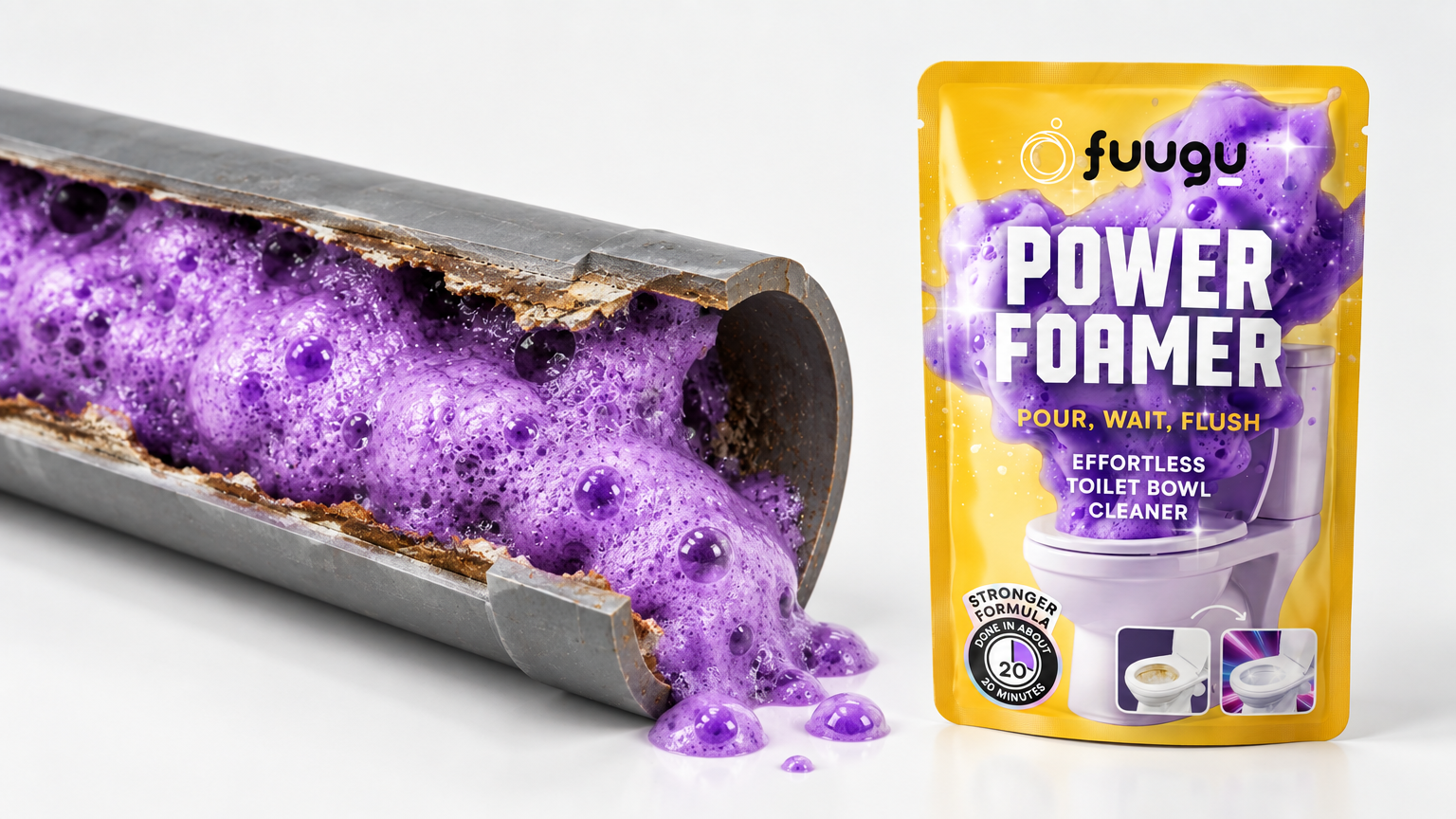
That’s where the Purple Hold formula does its work, in three stages:
First, the foam locks onto the buildup and stays there — roughly 20 minutes of contact, instead of the few seconds a gel manages before it slides off.
Second, the dissolving agents in the foam break the bond between the deposit and the pipe wall — limescale, grease, soap scum, organic residue — while a built-in chelant grabs the freed minerals so they can’t settle back down.
Third, one ordinary flush carries all of it out. The walls come away clean. Your hands never go near the bowl, and your part of the job takes about as long as pouring a cup of coffee.
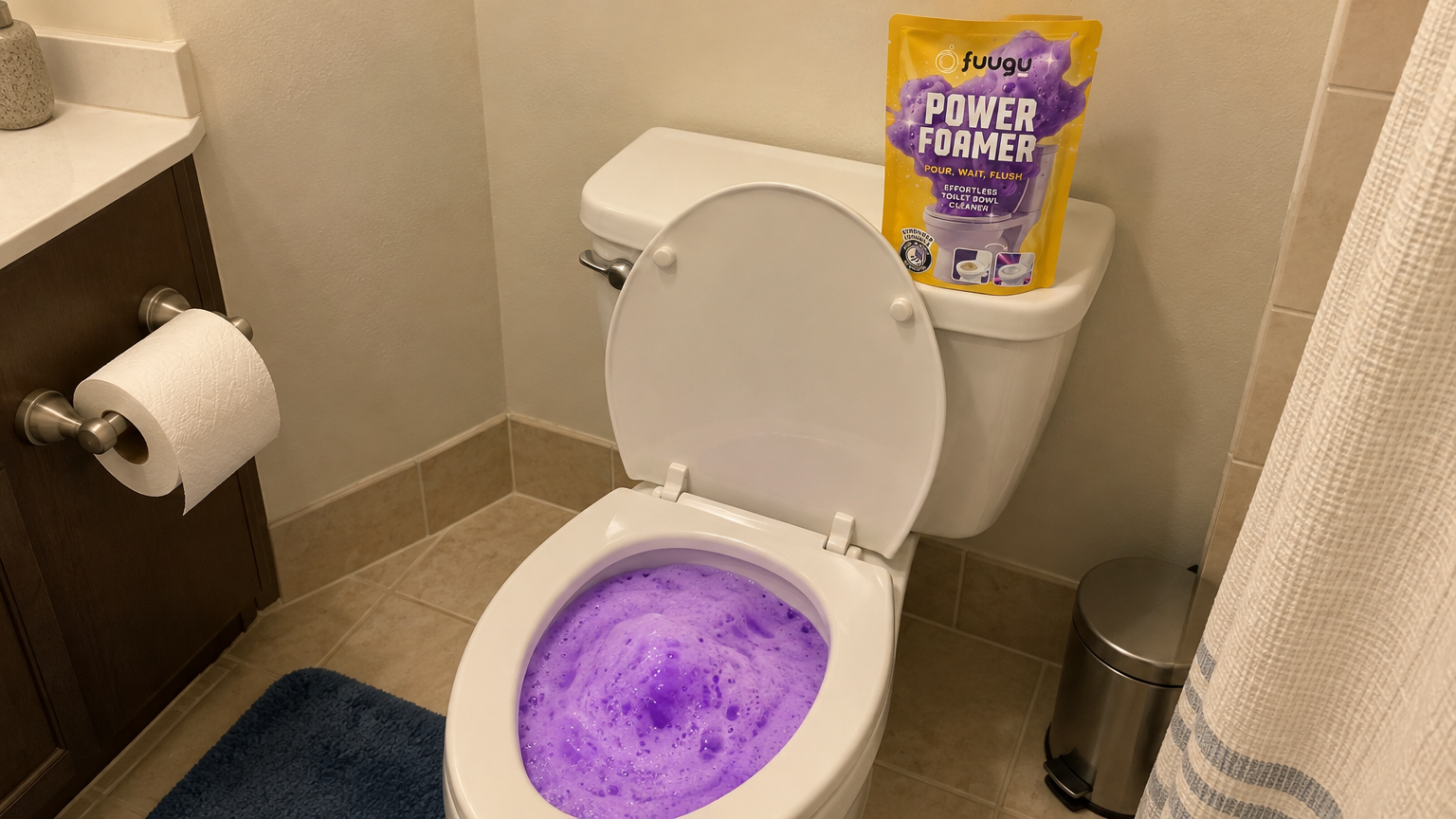
“I tested it on a pipe I’d pulled from a job, just to see. You could actually watch the crust lift away from the wall as the foam sat on it. One dose and it went from brown to grey. A second dose and I was looking at bare pipe.”
— Ray Kowalski
The Hidden Cost Nobody Mentions: What’s Riding on Every Flush
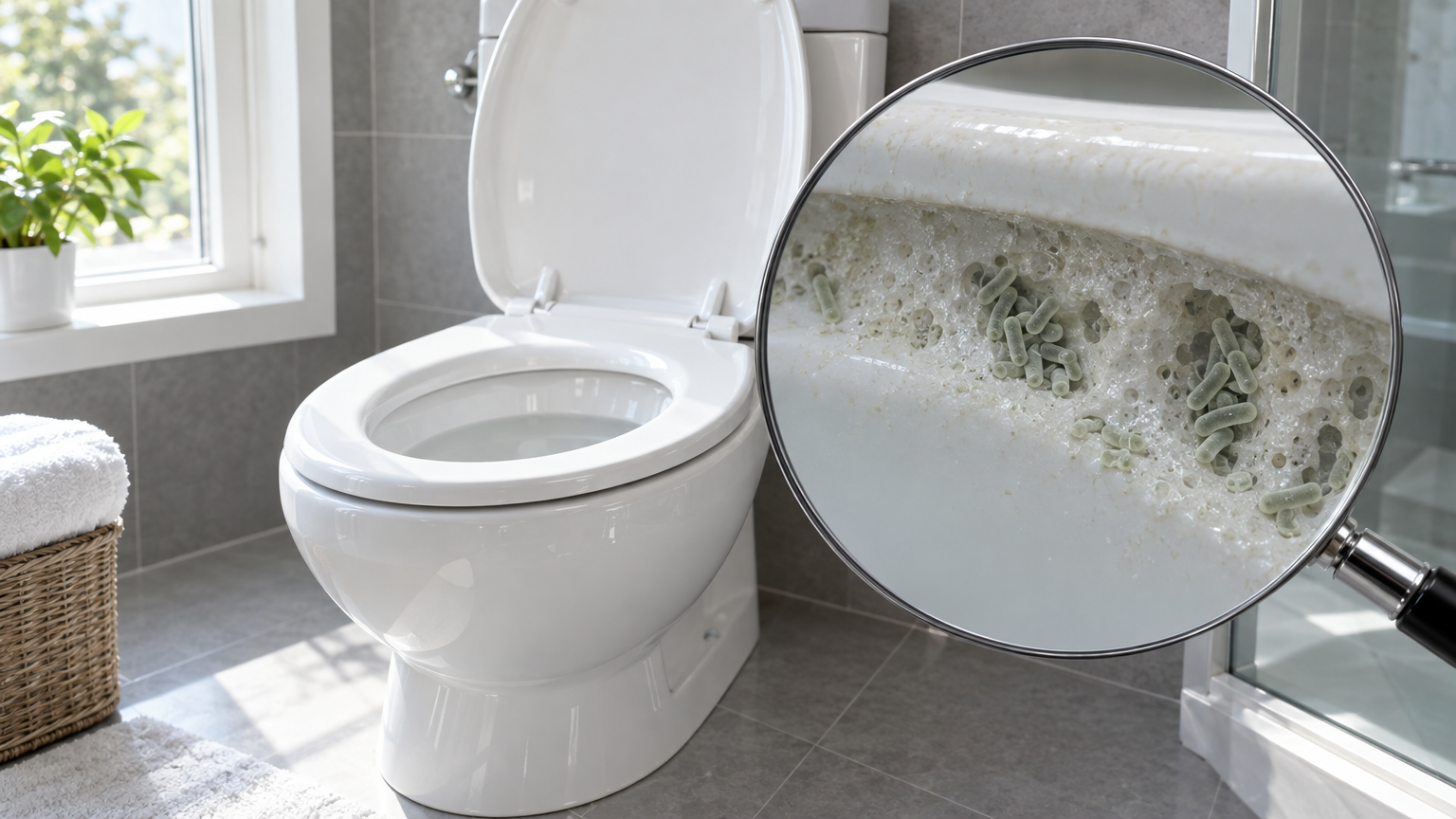
Blockages are only half the story. The toilet is also one of the dirtiest spots in a home — and the porcelain isn’t the reason.
Every flush throws a fine spray of droplets as high as five feet above the bowl. Those droplets pick up whatever is in the water — and when the trapway is lined with biofilm, that includes the bacteria and spores living in it.
They settle on the hand towel. The toothbrush. The counter. The floor your kids walk on barefoot.
So long as the film is in the pipe, you’re re-coating the bathroom with it several times a day. Fuugu goes after the source, not the surface.
What Homeowners Reported After the First Dose
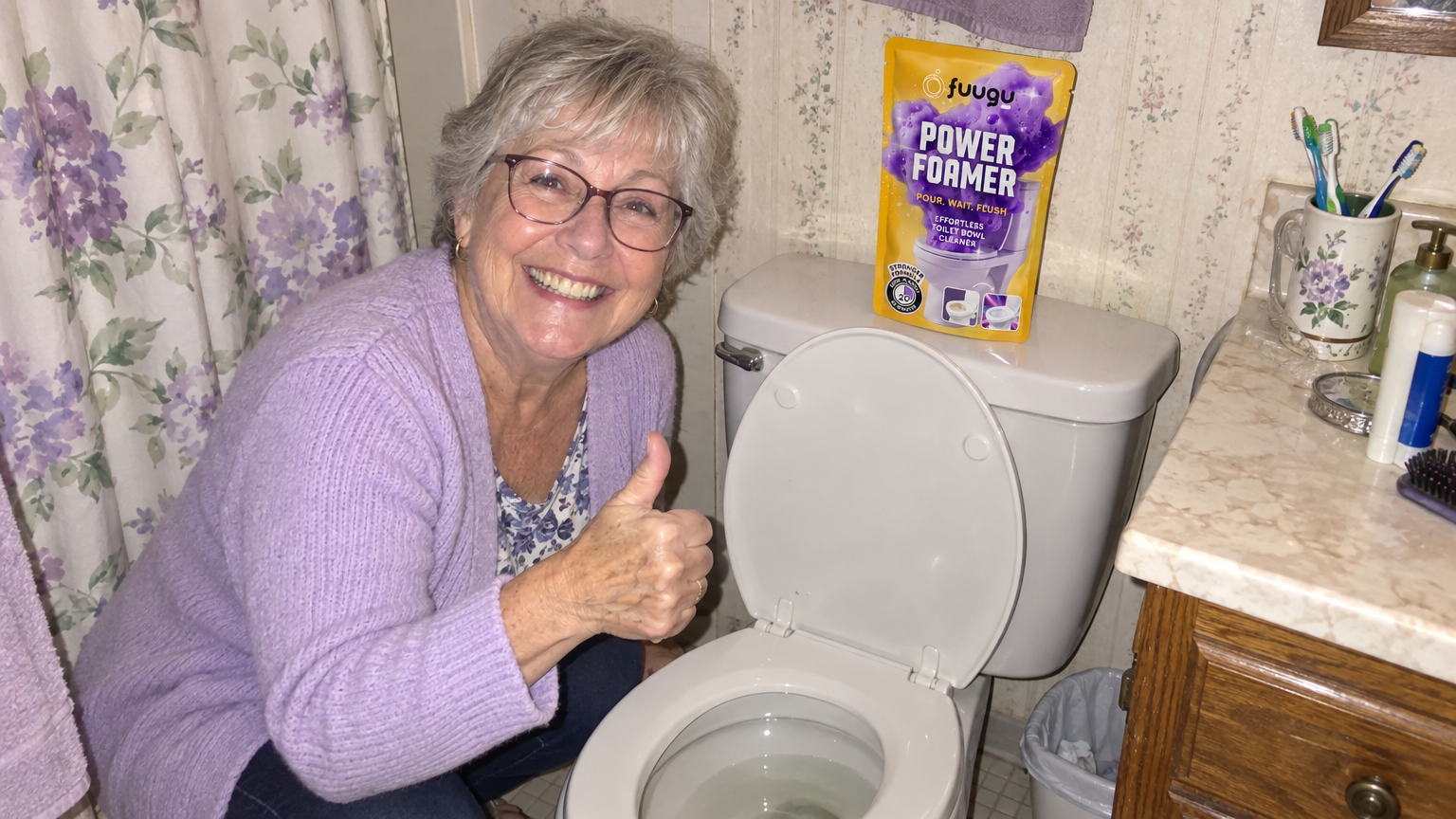
“For most of the spring our downstairs toilet took forever to empty, and it would gurgle in the middle of the night like something was alive in there. A plumber quoted me more than I spend on groceries in a month to jet the line. I tried Fuugu first, mostly out of stubbornness. Poured it in, watched the purple foam come up, left it for 20 minutes, flushed. It drained like the day we moved in. I still can’t quite believe it.”
Karen W. ★★★★★
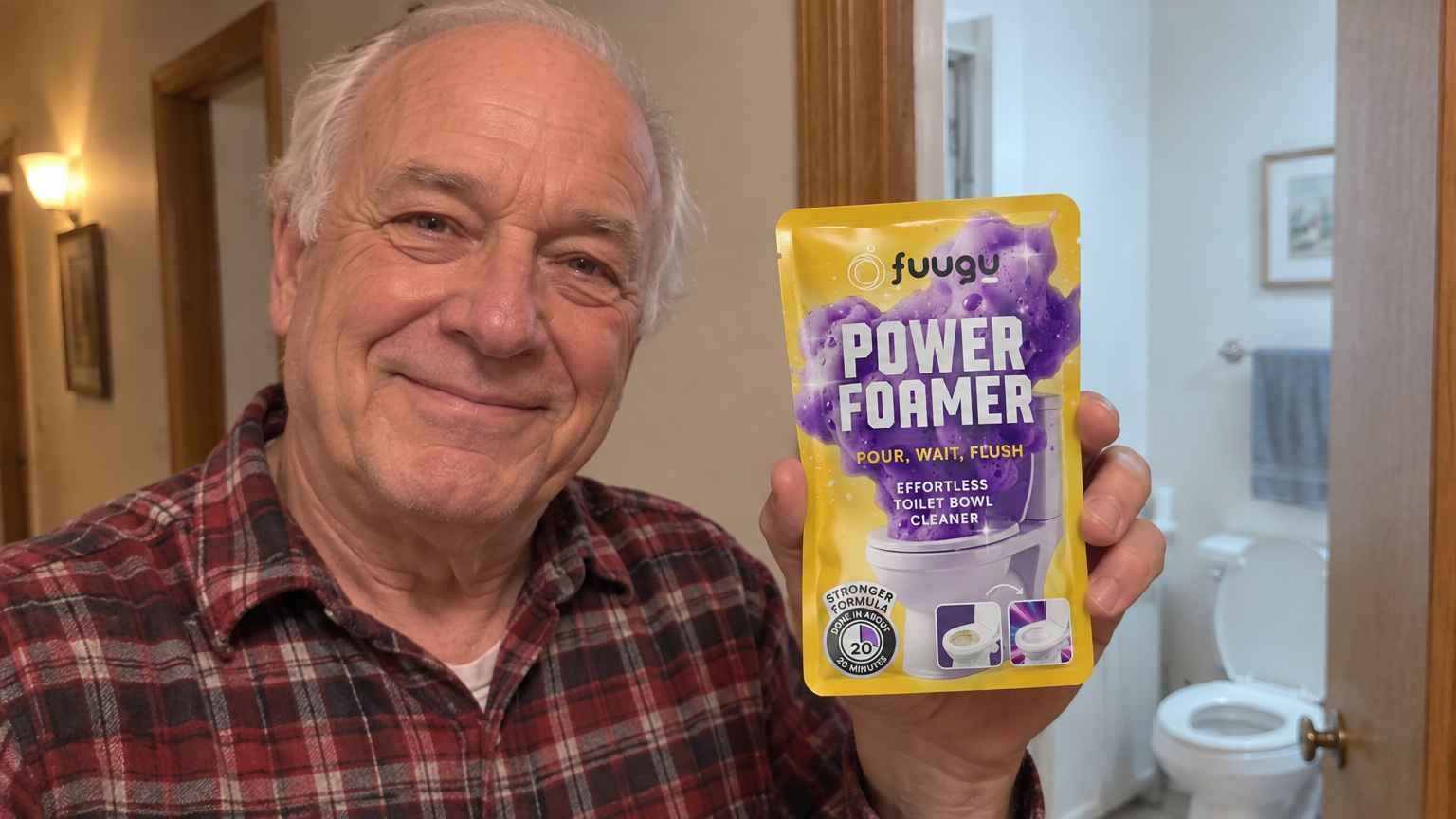
“Thanksgiving. House full of people. Toilet quits at nine at night. The after-hours plumber was in and out in half an hour and the bill was more than our turkey, sides and wine put together. My daughter sent me Fuugu the following week — ‘one bag every Sunday, Dad, and you’re done.’ That was eight months ago. Not a single hiccup since. That holiday bill was the last one I’ll ever pay.”
Walter P. ★★★★★
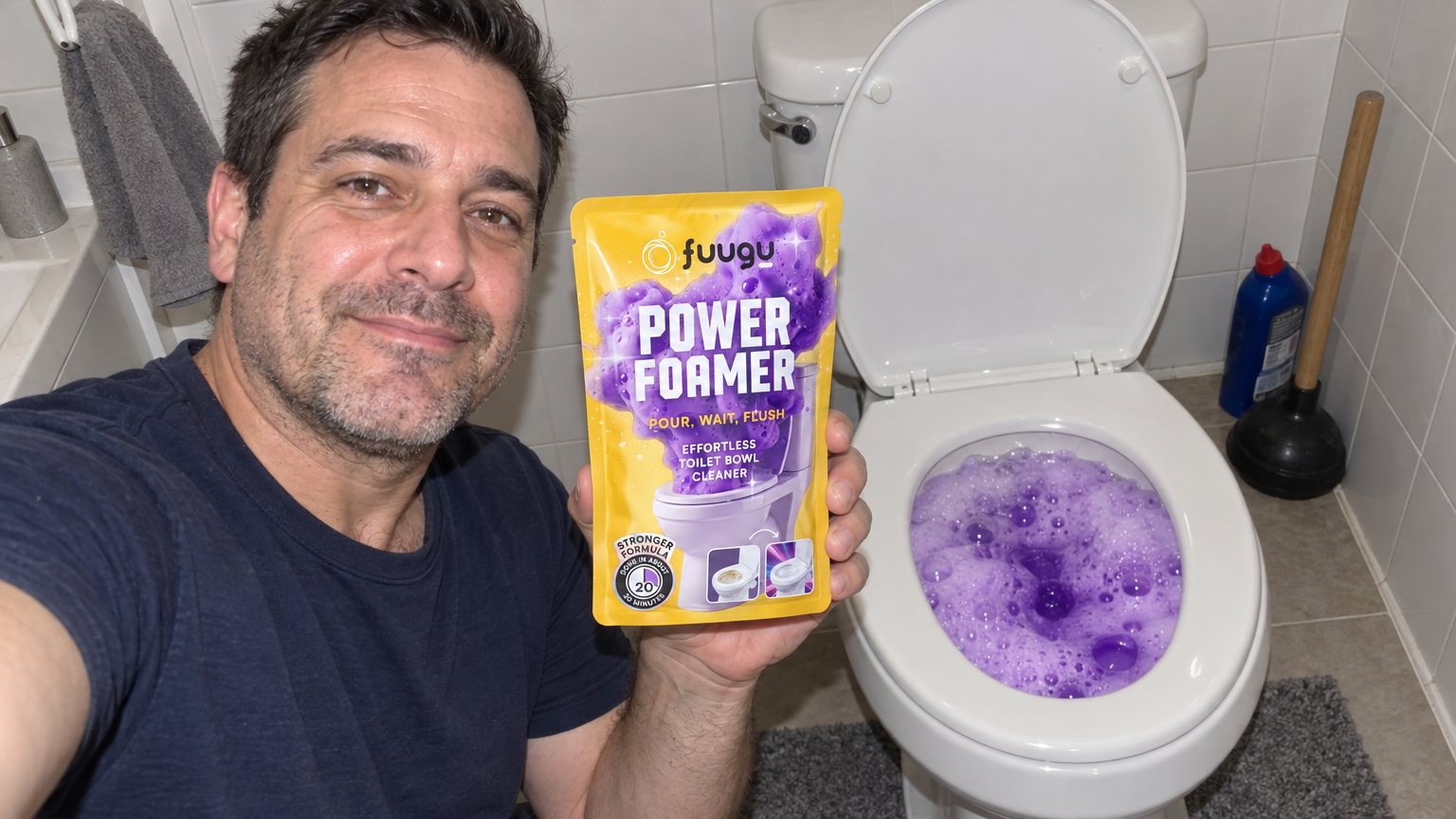
“I’m the person who has tried all of it — the liquid drain openers, the plunger, the metal snake from the hardware store. Each one worked for a couple of weeks and then we were right back where we started. I assumed Fuugu would be the same. But you can actually see it working, and more importantly, the problem hasn’t returned. Five months of a toilet that just works. I didn’t realize how much I’d been bracing for it to fail.”
Marcus L. ★★★★★
Not Just the Toilet: Anywhere a Drain Slows Down
Fuugu was designed for the toilet, but the same foam-and-hold principle works in any drain where film and scale collect:
Toilet: the trapway, the rim jets and the line behind them — the main event.
Bathroom sink: toothpaste, shaving residue and hair bound together with soap scum.
Shower and tub: hair and conditioner glued to the drain with mineral scale.
Kitchen sink: cooking grease and food particles coating the trap.
Washer standpipe: lint and detergent sludge in the drain hose.
One powder instead of a cabinet full of single-purpose bottles that only ever clean what you can see. A quick way to size your order: count every drain in the house that has ever gurgled, smelled or slowed — that’s your number of boxes.
Where to Buy the Real Thing (and What to Watch Out For)
Fuugu is sold only through the manufacturer’s own website. You won’t find the genuine product on Amazon, eBay, or the shelf at a hardware store.
Kowalski is firm on this point: “Knock-offs are already showing up on the marketplaces. Same purple colour, similar packaging, completely different chemistry. They fizz for show and do nothing to the pipe — and a couple of them are harsh enough to damage it.”
Why skip retail? Because every middleman adds a markup, and through a big-box chain Fuugu would cost close to double. Selling direct keeps the price down and lets the company stand behind every box with a 60-day money-back guarantee — one click, cash back to your card, no forms and no photos. The risk sits with them, not with you.
LIMITED TIME: Up to 70% Off the Month Pack While Inventory Lasts
The manufacturer is currently clearing its present production run at up to 70% off. Once this batch is gone, the next one typically takes four to six weeks to land — and the pipe behind your toilet doesn’t pause while you wait.
Tap below to see whether Fuugu is still available in your area. If the discount shows on the next page, the offer is still live.